Actionable Guides and Tips for Successful
Offshoring to The Philippines
How to Manage Time Zone Differences and Remote Work Challenges Effectively

In today’s interconnected business landscape, time zone differences are no longer occasional inconveniences—they are a daily reality for companies with offshore and remote teams. According to Hubstaff, 20% of remote workers identify time zone challenges as a significant barrier to effective collaboration, which affects communication, decision-making, and overall team efficiency.
These misalignments can create significant friction, resulting in delayed responses, limited meeting windows, and uneven workloads. Without proper management, businesses risk missed deadlines, reduced collaboration quality, and increased stress—ultimately impacting productivity, employee engagement, and profitability. Research from Harvard Business School highlights that global talent can only reach its full potential when time zone obstacles are actively addressed, underscoring the importance of structured coordination and cultural awareness.
The solution lies in adopting smart scheduling, asynchronous workflows, and reliable offshore partnerships. Shore360 provides the systems, strategies, and expertise to turn time zone differences into a strategic advantage. Aligning workflows and fostering cultural understanding allows Shore360 to help global teams collaborate seamlessly, maintaining productivity and engagement regardless of location.
This article shares proven strategies for managing time zone differences and remote work challenges. It also demonstrates how Shore360’s tailored offshoring solutions help businesses in Australia, the U.S., and other Western countries collaborate effortlessly with Philippine-based teams—enhancing operational efficiency, team satisfaction, and overall business outcomes.
Why Time Zone Differences Matter in Remote Work
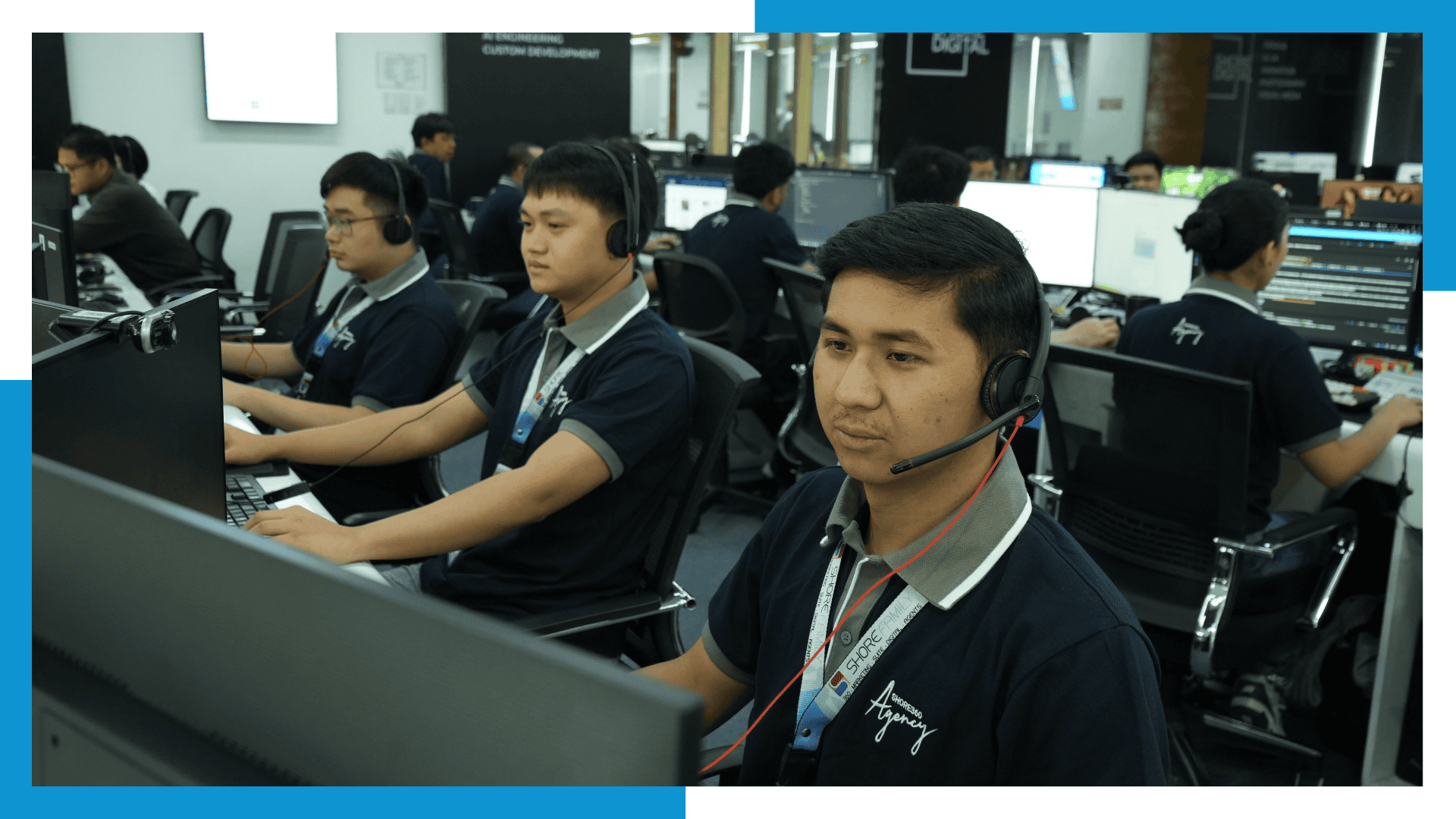
For businesses in Australia, the U.S., and other Western countries, building offshore teams offers a proven way to access skilled talent, reduce costs, and scale quickly. However, when these teams operate across significantly different time zones—such as in the Philippines—effective time management becomes a critical factor for success.
Time zone differences influence every aspect of remote collaboration. Even a three to eight-hour gap can create challenges in:
- Decision-making speed – Waiting for feedback or approvals can delay projects and create bottlenecks.
- Meeting coordination – Limited overlapping hours make it harder to gather key stakeholders simultaneously.
- Workload balance – Without clear scheduling, some team members may be overloaded during peak periods, while others remain underutilised.
- Client responsiveness – Delayed replies can negatively affect customer satisfaction and service quality.
These challenges extend beyond daily operations—they can impact company culture over time. Misaligned schedules often reduce engagement, limit opportunities for team bonding, and create a sense of isolation among remote employees. In offshoring, where cultural integration is as important as technical performance, strategic time zone management is essential to sustaining both productivity and morale.
When approached thoughtfully, time zone differences don’t have to be a barrier. With proper planning and a trusted partner, they can become a competitive advantage—enabling 24/7 operations, faster project turnarounds, and continuous client support.
Proven Strategies for Managing Teams Across Multiple Time Zones

Successfully managing offshore teams requires more than good intentions—it demands a well-defined strategy, the right tools, and strong leadership. For companies in Australia, the U.S., and other Western countries collaborating with Philippine-based teams, mastering time zone management can be the difference between friction-filled operations and seamless productivity.
Identifying and leveraging overlap hours—the windows when both onshore and offshore teams are online—is critical. Even a one- to two-hour overlap can have a significant impact when used strategically for high-value activities such as decision-making meetings, brainstorming sessions, and client calls.
Clear communication protocols are equally important. Defining how and when to use tools like instant messaging, project management platforms, or video calls ensures everyone understands expected channels and response times, keeping work moving efficiently and reducing delays.
At the same time, embracing asynchronous collaboration enables team members to work independently while maintaining alignment. Documented processes, shared cloud workspaces, and recorded meetings enable continuous progress in a “follow-the-sun” workflow. Rotating meeting schedules distributes the inconvenience of off-hours calls, demonstrating respect for everyone’s time. Technology such as shared calendars, time zone converters, and collaboration platforms further bridges gaps, minimising the risk of missed deadlines or miscommunication.
Underlying all these strategies is a commitment to awareness and empathy for colleagues’ local hours, workloads, and cultural practices. This approach prevents burnout and strengthens professional relationships. When applied consistently, these practices transform time zone differences from a logistical challenge into a competitive advantage—enabling smart scheduling, efficient handovers, and near round-the-clock productivity without compromising employee well-being.
Balancing Work Schedules and Ensuring Team Availability
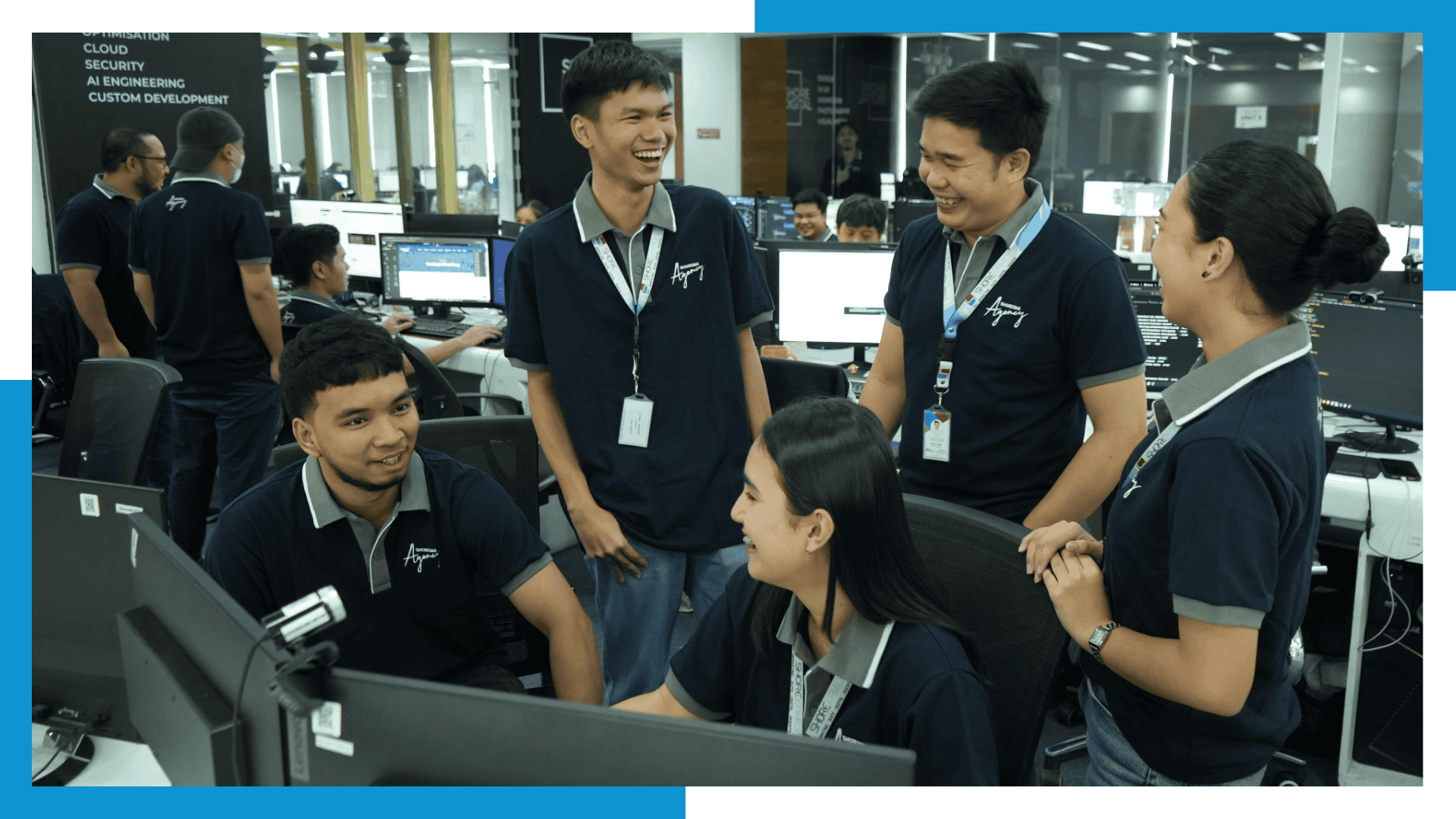
Maintaining balanced schedules across multiple time zones is essential for keeping offshore teams productive and motivated. Creating a visual map of each team member’s work hours helps identify natural overlap periods and prevents scheduling conflicts during off-hours. Establishing core collaboration hours ensures that high-priority activities—such as strategic discussions, client calls, and urgent problem-solving—occur when all key team members are available, leaving the rest of the day for focused individual work.
Workloads should be distributed strategically, with synchronous tasks handled during overlap hours and asynchronous tasks completed independently or passed to the next time zone. Transparent availability—through shared calendars, status indicators, and awareness of time off or public holidays—fosters mutual respect and prevents conflicts. At the same time, limiting excessive overlap protects work–life balance and reduces the risk of burnout.
When managed effectively, this approach allows tasks to pass seamlessly from one location to another, creating a relay-like productivity model that delivers continuous progress without compromising team well-being.
Creative Ways to Overcome Common Remote Work Challenges
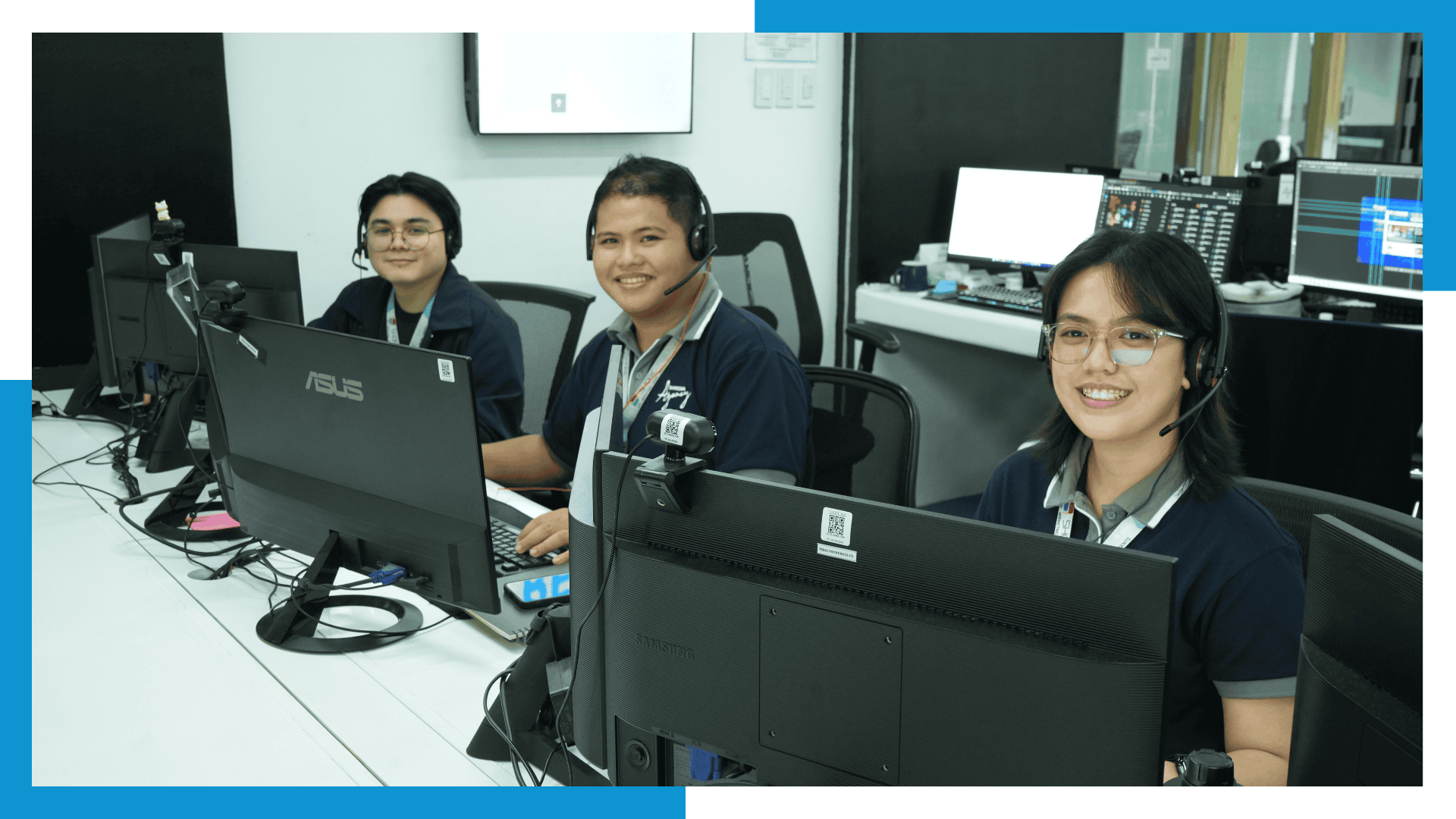
Remote work offers unmatched flexibility and access to global talent, but it also presents challenges beyond time zones. Miscommunication, cultural differences, and feelings of isolation can weaken team cohesion if left unaddressed. For businesses in Australia, the U.S., and other Western countries, partnering with Shore360 provides a built-in strategy to maintain productivity, collaboration, and culture, regardless of distance.
Culture doesn’t happen by accident—it is intentionally cultivated. Shore360 integrates offshore teams into your company’s values, mission, and communication style from the start, using virtual town halls, regular check-ins, and shared recognition programs to foster a genuine sense of belonging.
Many remote challenges stem from unclear expectations. Shore360 addresses this by centralising communication through tools like Slack, Microsoft Teams, or Asana, ensuring tasks are assigned, progress is tracked, and platforms remain secure, efficient, and reliable.
Remote work offers unmatched flexibility and access to global talent, but it also presents challenges beyond time zones. Miscommunication, cultural differences, and feelings of isolation can weaken team cohesion if left unaddressed. For businesses in Australia, the U.S., and other Western countries, partnering with Shore360 provides a built-in strategy to maintain productivity, collaboration, and culture, regardless of distance.
Culture doesn’t happen by accident—it is intentionally cultivated. Shore360 integrates offshore teams into your company’s values, mission, and communication style from the start, using virtual town halls, regular check-ins, and shared recognition programs to foster a genuine sense of belonging.
Many remote challenges stem from unclear expectations. Shore360 addresses this by centralising communication through tools like Slack, Microsoft Teams, or Asana, ensuring tasks are assigned, progress is tracked, and platforms remain secure, efficient, and reliable.
- Strong teams also connect beyond work: Virtual coffee breaks and online trivia sessions give employees the chance to relax and bond.
- Shared interests build community: Interest-based chat channels allow team members to connect on common hobbies and passions.
- Cultural exchange activities strengthen relationships: Organised by ShoreLife and Shore360’s internal HR team, these activities help recreate informal bonds and foster stronger cross-border collaboration.
Not all work needs to be done in real-time. Shore360 supports asynchronous collaboration by designing workflows that respect time zones while leveraging deep work periods for higher-quality results. Smooth handovers between shifts keep projects moving around the clock. Additionally, on-site management teams quickly address connectivity issues, dips in motivation, or other challenges—often before they escalate—ensuring offshore teams remain supported, engaged, and productive.
By addressing both the logistical and human aspects of remote work, Shore360 empowers businesses to build engaged, high-performing offshore teams that thrive despite geographical and time zone barriers.
How Shore360 Addresses Time Zone and Remote Work Challenges
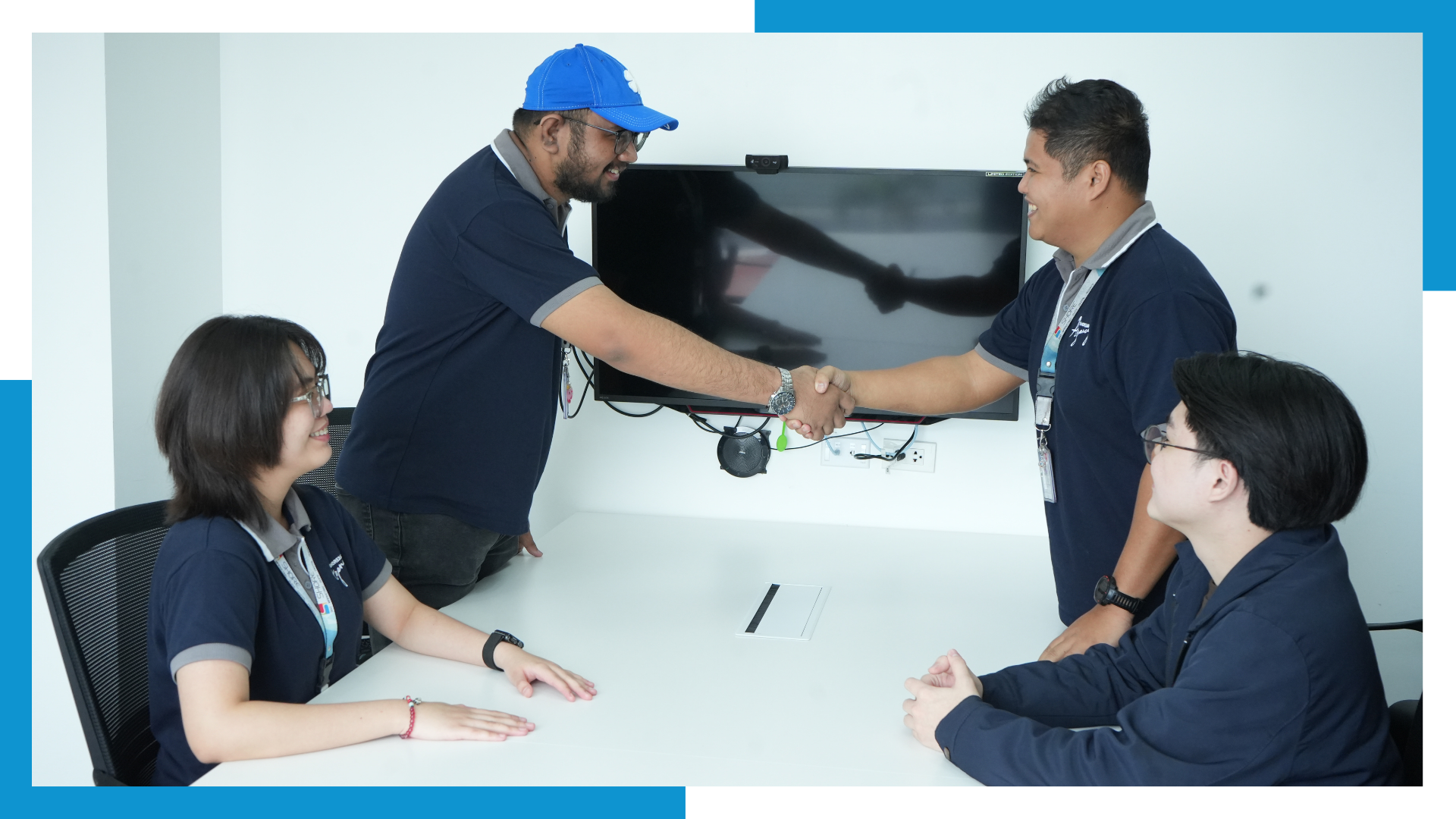
Shore360 understands that managing time zones and remote work is not just about scheduling—it is about creating a system where collaboration thrives regardless of location. Our offshore staffing model is purpose-built to integrate seamlessly with Australian, U.S., and other Western markets, ensuring distance never becomes a barrier to performance.
Flexible Work Arrangements
Shore360 designs work schedules around your business hours, providing real-time support during peak periods and efficient asynchronous workflows outside them. This balance ensures uninterrupted operations, faster turnaround times, and enhanced customer responsiveness—without overburdening your team.
Client-Aligned Teams
We build offshore teams that match your time zone, communication style, and operational pace. This alignment allows offshore professionals to function as a true extension of your in-house staff, delivering smoother workflows, higher productivity, and consistently on-track projects.
Integrated Technology
Robust IT infrastructure supports secure cloud-based collaboration, efficient project management, and clear communication across continents. By keeping teams connected and safeguarding sensitive data, we prevent costly delays and maintain progress on every project.
On-the-Ground HR and Support
Shore360 provides local HR management in the Philippines to handle retention, motivation, and cultural integration. This hands-on support keeps offshore teams engaged, loyal, and fully aligned with your company’s values, fostering long-term trust and stability.
Reliable Facilities
Our on-site facilities in the Clark Freeport Zone feature high-speed internet, backup power, and professional workspaces. Even if remote setups encounter challenges, your teams maintain consistent output and quality—ensuring peace of mind.
Embedded Team Leadership
Dedicated team leaders oversee daily performance, workflow, and accountability. Operational or communication issues are addressed immediately at the source, keeping projects moving forward without disruption.
With Shore360’s expertise, time zone differences become more than manageable—they become a strategic advantage. Your business can operate seamlessly around the clock, maintaining quality, culture, and work-life balance while maximising productivity.
Build Resilient, Globally Distributed Teams with the Right Approach

Time zone differences and remote work challenges are inevitable in today’s global economy—but they don’t have to slow your business down. With the right combination of strategy, technology, and cultural alignment, companies can transform these challenges into operational strengths. Shore360 helps Australian, U.S., and other Western businesses unlock the full potential of offshore teams in the Philippines by removing barriers of distance and time.
Through tailored offshore staffing solutions, flexible scheduling, and embedded leadership, businesses gain the tools and confidence to manage a truly global workforce. Partnering with Shore360 goes beyond traditional outsourcing—companies build high-performing, time-zone-agnostic teams that operate seamlessly with in-house staff, maintaining productivity, enhancing collaboration, and scaling without limits.
Ready to elevate your global team? Contact Shore360 today at https://www.shore360.com/contact-us/ to discover how our offshore staffing solutions can help you operate seamlessly across time zones and achieve exceptional business performance.