Actionable Guides and Tips for Successful
Offshoring to The Philippines
The Philippines Ranks No. 1 in Global Outsourcing. Are You Working with the Right Partner?
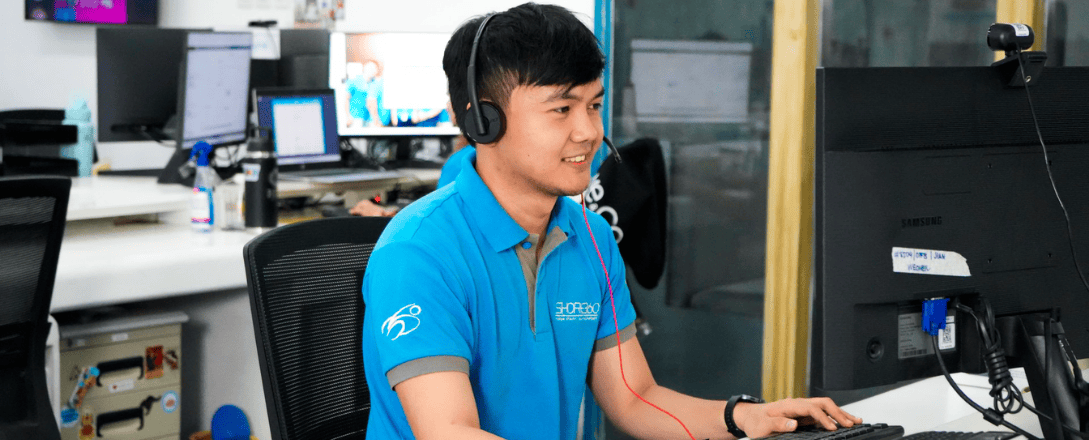
The Philippines has once again secured its position as the world’s leading outsourcing destination, ranking No. 1 in the latest Ataraxis Global Outsourcing Talent Index, ahead of long-standing leader India.
With an overall score of 90.65, the Philippines outperformed not only India but also other emerging outsourcing hubs such as Malaysia, Chile, and South Africa. The report highlights the country’s strong balance of cost efficiency, English proficiency, and talent depth as the key drivers behind its top ranking.
For businesses evaluating offshore strategies in 2026, the ranking is more than recognition; it signals a structural shift in how companies scale operations globally. Simply accessing the Philippines is no longer a scarce advantage. What now matters is how effectively businesses build and manage offshore capability within it.
The Real Challenge Isn’t Location—It’s Execution
The barrier to entry in offshore markets has lowered, and more businesses are entering with similar expectations. Yet many still experience challenges such as inconsistent performance, hiring inefficiencies, compliance risks, and limited operational control. The issue is not the Philippines; it is how businesses approach offshoring.
Outsourcing is often treated as a simple resourcing solution. In reality, outcomes depend on structure, integration, and operational design. Without the right model in place, offshore teams can quickly become disconnected from core business objectives.
This phase is where execution and the right partner become critical.
Shore360 operates as a strategic offshore partner on the ground, combining local expertise with end-to-end operational support. Rather than simply supplying talent, Shore360 enables businesses to build structured offshore teams that function as integrated extensions of their organisation.
Why the Philippines Now Leads Global Outsourcing

Cost primarily drove outsourcing decisions in the past. Today, performance, scalability, and capability carry greater weight.
The Philippines leads because it delivers a balanced outsourcing ecosystem:
- Competitive operating costs across global outsourcing markets
- High English proficiency (score of 90 vs. India’s 60)
- Strong workforce capability across both service and knowledge-based roles
- Established digital infrastructure (score of 70 vs. India’s 50)
The country also ranks No. 2 in Asia and No. 28 globally for English proficiency, positioning it alongside markets such as Ireland and Switzerland, and ahead of Spain, Brazil, and Mexico.
From an infrastructure perspective, major business hubs such as Manila, Clark, Cebu, and Davao continue to strengthen connectivity and commercial readiness, with over 73.6% of the population now online. In many key business centers, infrastructure capability is increasingly comparable to highly developed markets.
What differentiates the Philippines is not just capability but consistency in execution at scale.
A Global View of Outsourcing Markets

The latest index ranks the top outsourcing destinations globally as follows:
- Philippines
- Malaysia
- India
- Chile
- South Africa
- Nigeria
- Peru
- Indonesia
- Argentina
- Romania
Each market offers distinct advantages. India, for example, continues to lead in talent depth, scoring 100 compared to the Philippines’ 90, particularly in highly technical domains such as software engineering and financial analysis.
Both countries remain competitive in labour cost efficiency (96) and business stability (60), reinforcing a key shift in global decision-making.
The choice is no longer about selecting the lowest-cost destination—it is about selecting the most strategically aligned operating model.
From Outsourcing Tasks to Building Offshore Capability

The most significant shift in 2026 is not where companies outsource—it is how they structure offshore operations.
The Philippines is evolving beyond traditional voice-based roles into higher-value functions such as
- Bookkeeping and financial operations
- Data analysis and reporting
- Healthcare virtual assistance
- Medical billing and administrative support
This trend reflects a broader global transformation. Businesses are no longer outsourcing individual tasks; they are building offshore capability.
Traditional outsourcing models often created gaps in communication, accountability, and quality control. Businesses managed external vendors rather than integrated teams.
Modern offshore strategies are built around:
- Long-term team integration
- Alignment with company culture and workflows
- Performance-driven operating structures
- Clear accountability across roles
At this stage, the success of offshore operations hinges on their structure and integration into core business systems.
How Shore360 Enables the Modern Offshore Model

Shore360 is built around this evolution, positioning itself as a long-term offshore partner rather than a transactional provider.
The difference lies in operational execution.
Dedicated Team Integration
- Clients build dedicated offshore teams that function as a true extension of their business. This strengthens alignment, ownership, and long-term stability.
End-to-End Operational Management
- From recruitment and onboarding through to HR, compliance, and infrastructure, Shore360 manages the full operational ecosystem—reducing complexity and enabling businesses to focus on growth.
People-First Performance Model
- High-performing offshore teams depend on engagement, retention, and development—not cost efficiency alone. Shore360 prioritises employee well-being to ensure consistency and sustained output.
Structured Performance Frameworks
- Offshore teams stay aligned with business objectives and deliver measurable outcomes through clear KPIs, reporting systems, and performance management structures.
Why This Matters for Business Leaders
The Philippines, leading the global outsourcing index, reflects a broader transformation in how organisations scale.
For decision-makers, the opportunity is clear:
- Access high-quality talent without compromising standards
- Scale operations with greater control and efficiency
- Build resilient, globally distributed teams
However, success ultimately depends on execution.
Businesses that approach offshoring as a short-term cost strategy often face operational inconsistency. Those that invest in structured integration and the right partnerships unlock sustainable, scalable growth.
The Future of Offshoring
Outsourcing is no longer transactional—it is strategic.
As the Philippines continues to lead globally, companies are shifting toward models that prioritise:
- Talent quality over cost alone
- Long-term partnerships over transactional outsourcing
- Integrated teams over external vendors
Shore360 aligns directly with this shift, providing the structure, local expertise, and operational support required to scale effectively in a competitive global market.
Build an Offshore Strategy That Drives Growth

The Philippines ranking No. 1 globally is not just a milestone; it is a signal of where the outsourcing industry is heading.
The competitive advantage no longer comes from where you’re offshore, but from how you design and manage your offshore model.
The question is no longer whether to offshore.
It is whether your model is built to deliver sustainable performance and scalable growth.
If you are looking for the right offshore partner, Shore360 provides the structure, local expertise, and end-to-end operational support needed to build high-performing teams in the Philippines.
Book a consultation at https://www.shore360.com/contact-us/ to explore how a structured offshore model can help you scale efficiently, reduce operational friction, and improve performance consistency.
Take the next step toward building an offshore capability designed for long-term success.