Actionable Guides and Tips for Successful
Offshoring to The Philippines
Managing Risk Through Compliance with International Data Security Standards for Offshore Teams in the Philippines
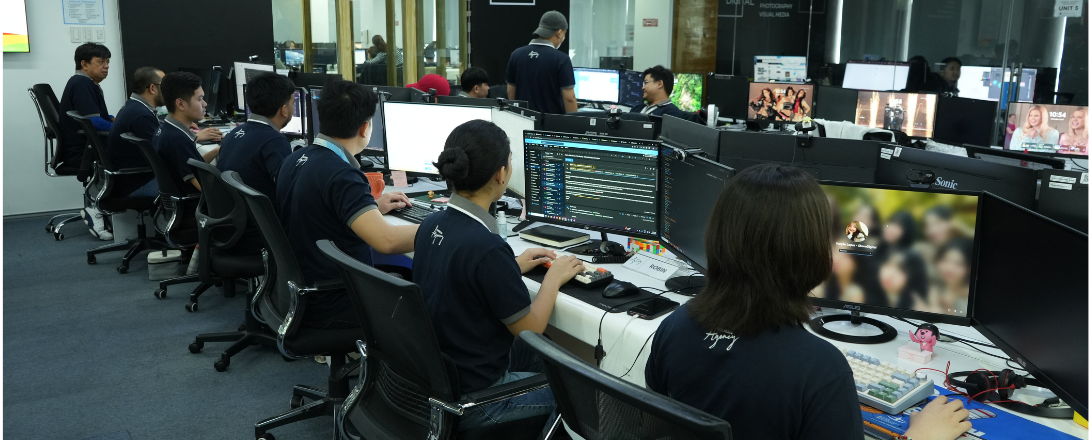
As businesses expand offshore teams in the Philippines increasingly handle critical functions—engineering, IT, eCommerce, accounting, and customer service—accessing sensitive customer, financial, and proprietary data. Many organisations struggle to manage the associated data security risks.
Without alignment to international data security standards, businesses face significant exposure: data breaches, regulatory penalties, operational disruption, and reputational damage. In highly regulated or data-sensitive industries, this uncertainty often blocks offshore expansion entirely.
International standards provide structured guidance for governance, access control, monitoring, and continuous improvement. Shore360 applies these principles to build secure, compliance-driven offshore teams, embedding data protection into daily operations from day one.
This approach allows businesses to scale offshore teams confidently, safeguarding sensitive information, maintaining regulatory compliance, and ensuring operational integrity—without sacrificing efficiency or growth potential.
Why Compliance Matters

Offshore teams operate at the intersection of cross-border data access, varying regulatory requirements, and distributed operational control. Key reasons compliance is critical include:
- Expanded Access: Offshore staff often require direct access to internal platforms, customer databases, and proprietary systems. Without structured controls, exposure rises.
- Accountability: Regulatory responsibility remains with the business; security failures offshore still carry legal and contractual consequences.
- Operational Disruption: Data breaches rarely affect information alone—they often disrupt service delivery, delay projects, and distract management.
- Trust: Clients and stakeholders expect offshore operations to meet recognised data security standards, signalling reliability and governance.
Key International Data Security Frameworks

ISO/IEC 27001: The Global Benchmark
ISO/IEC 27001 defines how organisations establish and maintain an Information Security Management System (ISMS), covering:
- Risk assessment and mitigation
- Access and identity management
- Asset and data classification
- Incident response and escalation
- Continuous review and improvement
Its value lies in treating data security as an ongoing operational discipline, not a one-off compliance exercise.
Industry and Government Frameworks
Many organisations also align with frameworks specific to their industry or government requirements. These generally include:
- Documented security policies and procedures
- Role-based access and least-privilege controls
- Monitoring, logging, and audit readiness
- Accountability at management and operational levels
Frameworks define outcomes, not specific tools, allowing offshore teams to design compliant environments suited to operational needs.
Managing Data Security Risk in the Philippines

The Philippines is a leading offshore destination, offering abundant talent and cost efficiency. Yet risk is driven by structure and governance, not geography. Key areas of concern include:
- System and Application Access: Uncontrolled access to internal platforms and cloud systems increases exposure.
- Devices and Network Security: Unmanaged endpoints or unsecured connectivity elevate the risk of data leakage.
- Process Inconsistency: Undocumented data-handling practices increase reliance on human judgment, heightening errors.
Embedding compliance into daily operations—through secure facilities, structured onboarding, and continuous oversight—reduces exposure and strengthens operational resilience.
Role-Specific Compliance Applications
Different offshore roles handle distinct types of sensitive information. Compliance ensures security measures are relevant and operationally effective.
Engineering & IT Teams
- Role-based access to development and production environments
- Secure collaboration and version control processes
- Separation between testing and live systems
These controls reduce the risk of unauthorized changes, data leakage, or intellectual property loss while maintaining efficient workflows.
eCommerce & Customer Support Teams
- Controlled access to customer and transaction data
- Monitoring of system usage and permissions
- Clear rules around data visibility and modification
These measures reduce exposure to fraud, misuse, or accidental disclosure in high-volume, customer-facing environments.
Accounting & Finance Teams
- Segregation of duties and approval controls
- Restricted access to financial systems and data
- Audit readiness through documented processes and access logs
These controls maintain financial integrity and support internal governance and regulatory compliance.
Regulated Industries (Medical, Legal, etc.)
- Strict control over personal and sensitive information
- Documented handling procedures and escalation protocols
- Ongoing staff training and oversight
Compliance in regulated sectors reduces exposure and demonstrates that offshore teams can operate responsibly under stringent standards.
Building a Sustainable Compliance-Driven Offshore Model
Sustainable compliance is embedded, not occasional. Businesses can achieve it through:
- Clear Governance and Accountability: Well-defined ownership for data protection, risk management, and decision-making prevents gaps between onshore leadership and offshore teams.
- Documented Policies and Procedures: Standardised processes guide secure data access, handling, storage, and incident escalation, supporting audit readiness.
- People and Training as Risk Controls: Proper onboarding, regular training, and awareness programs reduce human error and reinforce accountability.
- Ongoing Monitoring and Continuous Improvement: Security controls must be reviewed, refined, and adapted as teams and systems evolve.
Shore360 embeds governance, documentation, training, and monitoring into its delivery model, ensuring compliance is operational, not theoretical.
Shore360’s Security-First Approach

Shore360 designs offshore teams around controlled environments, structured processes, and continuous oversight, integrating security into daily operations.
Certified and Regulated Foundations
- ISO/IEC 27001 certification for internationally recognised information security standards
- Registration with the Philippine National Privacy Commission (NPC) as a Data Protection Officer (DPO) and Data Processing System (DPS)
Secure Facilities and Location Advantage
- Purpose-built, monitored offices designed for offshore operations
- Controlled physical access and on-site management
- Centralised operations reduce exposure points while supporting team collaboration
Technology & Access Controls
- Role-based access aligned with job responsibilities
- Managed devices and secured connectivity, including firewalls and network monitoring
- Least-privilege principles to minimise unnecessary access
- Secure collaboration platforms and encrypted communications
Processes, Oversight, and Accountability
- Standardised data-handling procedures and escalation paths
- Structured onboarding and continuous staff training
- Daily supervision and quality assurance for proactive risk management
This combination of certification, secure facilities, controlled technology, and operational discipline allows businesses to scale offshore teams in the Philippines confidently, meeting both global and local compliance requirements.
Conclusion
Data security compliance is essential for offshore operations. International standards provide structure, but their effectiveness depends on embedding them into daily operations. Partnering with Shore360 ensures offshore teams are secure, resilient, and scalable from day one.
For a security-first offshore strategy that protects your data and supports growth, contact Shore360: https://www.shore360.com/contact-us/.